


Updated 2026-11-12
Tap a moon to open its day. Gold numbers mark the holy days.
The Tibetan & Mongolian Lunar Calendar — Zurkhai
Today's lunar day, auspicious timing, the 60 element–animal years and the 2026 festivals — in the tradition of zurkhai (Tibetan-Buryat astrology).
Start here
Is today a good day to…
- Cut your hairgood
- Travelneutral
- Start a business or make a dealneutral
- Start medical treatmentneutral
- Move houseneutral
- Build a houseneutral
- Begin studyingneutral
- Buy property or landneutral
- Sign a contractneutral
- Start a new jobneutral
- Plant a gardenneutral
- Buy a carneutral
All 30 lunar days & the full calendar →
Your sign by birth year
2026: Fire Horse
Gold lines join the sign with its allies, the dashed line with its best match; red marks the opposite sign. Tap a sign to open it.
Next 30 days by animal compatibility
Festivals of 2026

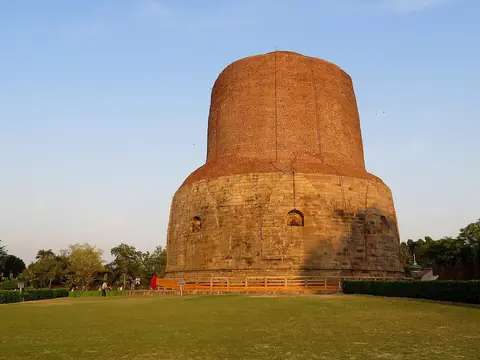
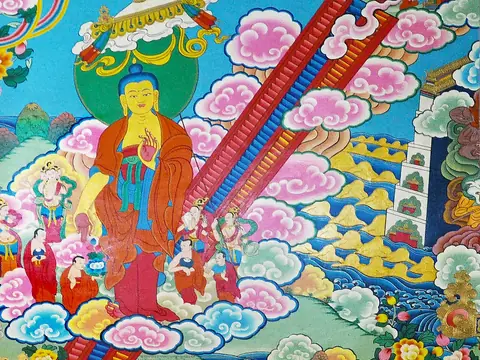
The 12 animals of zurkhai




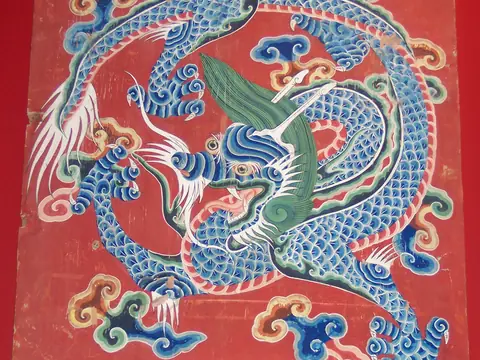



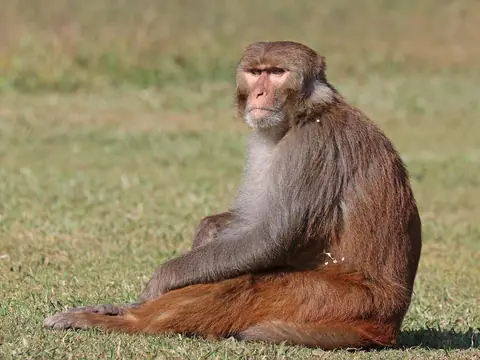



Good days are those of your allies, your best match and your own animal; tense days belong to the opposite sign.
Born in January or early February? The Tibetan year starts at Losar, so your sign may be the previous year's.
What is zurkhai?
Zurkhai (also spelled zurhai or zurqai) is the traditional astrology of the Tibetan-Buddhist world — practised by Tibetans, Mongols, Buryats, Kalmyks and Tuvans. The word means roughly "astrological calculation." It is not Western star-sign astrology: zurkhai fuses indigenous Bön reckoning, the Chinese-derived cycle of twelve animals and five elements, and the Indian Kālacakra star system, and its everyday job is electional — choosing auspicious timing for real decisions (travel, business, moving house, medical treatment, a child's first haircut) from the lunar day, the weekday, the lunar mansion and a person's birth animal-sign.
It is practised across the Buddhist world — Tibet, Mongolia, Buryatia, Kalmykia and Tuva — and this site is its plain-English home, with the daily calendar, the 60 element–animal years and the auspicious-timing readings the tradition is built on.
- The Tibetan calendar is lunisolar — each year has 12 (or, in leap years, 13) lunar months beginning and ending on a new moon, with months periodically added to stay aligned with the solar year — this is why Tibetan holidays drift against the Western calendar and fall on different dates each year.
- It is related to but not identical with the Chinese calendar — Tibetan astrology fuses indigenous Bon, Chinese-derived element/animal astrology and Indian Kalachakra star astrology — this is why Losar often falls near Chinese New Year yet can differ by a whole month.
- Lunar days (tithi) are not equal to solar days — a tithi is the time the moon takes to cover 1/30th of the new-moon-to-new-moon arc, so it can be shorter or longer than 24 hours — this mismatch between lunar and solar days is the root cause of doubled and skipped dates.